Can an HOA Foreclose on Your Home in Nevada & California? What Homeowners & Boards Need to Know

We Represent Clients In:
Las Vegas
Reno & Lake Tahoe
Orange County
San Diego
Los Angeles
Clark County
Washoe County
Lake Tahoe
Riverside County
San Bernardino
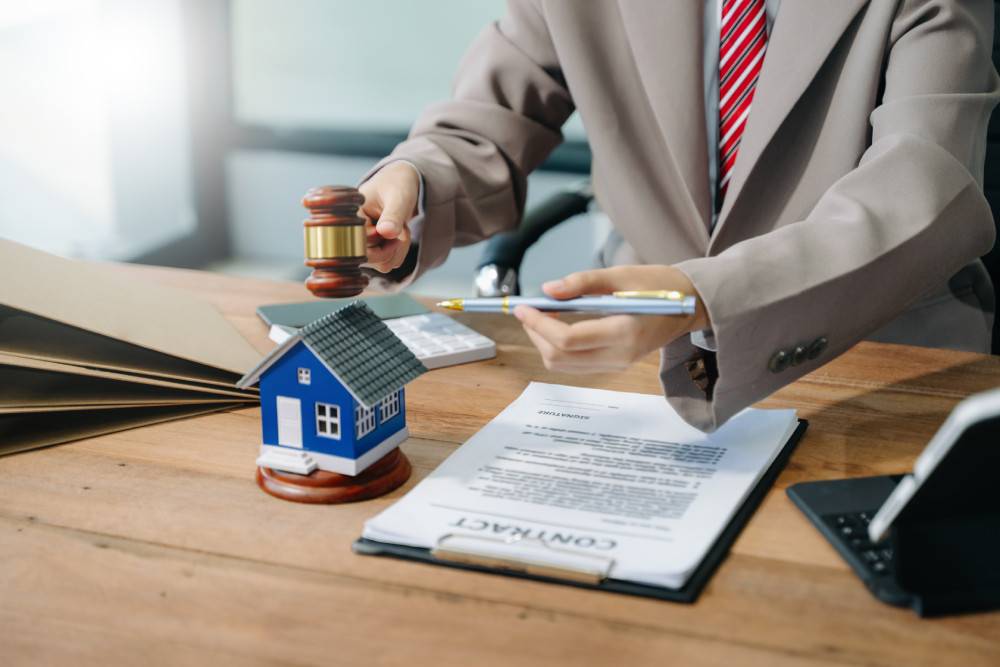
Many homeowners are shocked to learn that an HOA may have the authority to initiate foreclosure proceedings under certain circumstances.
Most people associate foreclosure with mortgage lenders. However, homeowners associations can sometimes pursue foreclosure when assessments remain unpaid and collection efforts fail to resolve the issue.
For homeowners, the possibility of losing a home over HOA-related debt can be frightening. For HOA boards, foreclosure is often viewed as a last resort when assessments go unpaid for extended periods.
Whether you are a homeowner facing collection actions or an HOA board attempting to understand its legal options, understanding how HOA foreclosure works in Nevada and California is critical.
Can an HOA Really Foreclose on a Home?
The short answer is yes under certain circumstances.
HOAs rely on assessments to maintain common areas, fund reserves, pay vendors, and operate the community. When assessments remain unpaid, associations may have collection rights that can include liens and, in some situations, foreclosure.
However, foreclosure is not automatic.
Both Nevada and California impose procedural requirements and homeowner protections that associations must generally follow before foreclosure can occur.
The specific facts, governing documents, amount owed, and applicable state laws often determine what actions an HOA may pursue.
Understanding HOA Liens
Before foreclosure becomes a possibility, many disputes begin with a lien.
A lien is a legal claim against property that may arise when assessments, fees, interest, collection costs, or other authorized charges remain unpaid.
Once a lien is recorded, it can create significant consequences for homeowners.
For example, liens may:
- Affect refinancing opportunities
- Create issues during property sales
- Increase financial pressure through additional fees
- Lead to further collection efforts
While a lien does not automatically mean foreclosure is imminent, it often represents an important stage in the collection process.
Received an HOA Lien or Collection Notice?
Many homeowners do not realize how quickly HOA collection matters can escalate. What begins as unpaid assessments may eventually lead to liens, legal action, or foreclosure concerns if left unresolved.
If your HOA has recorded a lien, issued collection notices, or threatened foreclosure, understanding your rights early may help you avoid costly mistakes and identify potential solutions before the situation becomes more serious.
HOA Foreclosure in Nevada
Nevada homeowners associations are generally governed by NRS 116.
The statute establishes procedures involving assessments, collections, liens, notices, and various homeowner protections.
Many homeowners mistakenly assume foreclosure begins immediately after a missed payment. In reality, collection efforts often involve multiple steps before foreclosure becomes a possibility.
These steps may include:
- Delinquency notices
- Collection demands
- Payment discussions
- Recorded liens
- Additional statutory requirements
Homeowners in Las Vegas, Reno, and Lake Tahoe should understand that every foreclosure matter is fact-specific and often depends on compliance with applicable legal procedures.
HOA Foreclosure in California
California homeowners associations generally operate under the Davis-Stirling Act.
California law provides specific requirements regarding assessment collections, notices, dispute procedures, and foreclosure-related actions.
Associations must generally satisfy various procedural requirements before pursuing foreclosure remedies.
Because California imposes detailed collection requirements, procedural errors can sometimes become significant issues during disputes.
Homeowners in Orange County, San Diego, Los Angeles County, Riverside County, and San Bernardino County should understand that receiving collection notices does not necessarily mean foreclosure is inevitable.
Early action often creates additional opportunities to resolve disputes before matters escalate further.
What Homeowners Should Do When Facing HOA Foreclosure
Receiving collection notices or foreclosure warnings can be overwhelming.
Unfortunately, some homeowners ignore these notices, hoping the problem will resolve itself.
In many situations, delay only increases the financial and legal challenges involved.
Homeowners facing potential foreclosure should consider:
- Reviewing HOA communications carefully
- Understanding the amount being claimed
- Preserving records and correspondence
- Evaluating payment options
- Reviewing governing documents
- Seeking legal guidance when necessary
The sooner homeowners understand their situation, the more options they often have available.
Concerned About Losing Your Home Over HOA Debt?
HOA foreclosure disputes often involve more than unpaid assessments. Questions frequently arise regarding notice requirements, collection procedures, governing documents, payment disputes, and homeowner protections under Nevada and California law.
Before making assumptions about what the HOA can or cannot do, it may be beneficial to review your situation with an attorney experienced in HOA disputes.
Responsibilities of HOA Boards
Foreclosure is often one of the most significant actions an HOA can pursue.
Boards should approach collection matters carefully and consistently.
Board members generally have responsibilities involving:
- Compliance with governing documents
- Fair treatment of homeowners
- Financial stewardship
- Collection procedures
- Fiduciary obligations
While boards have a duty to protect association finances, they must also ensure that collection actions comply with applicable laws and procedural requirements.
Poorly managed collection efforts can create additional disputes and potential legal challenges.
How Legal Representation Can Help
HOA foreclosure disputes often involve more than unpaid assessments.
Questions may arise regarding:
- Collection procedures
- Notice requirements
- Governing documents
- Assessment calculations
- Lien validity
- Board authority
An HOA attorney can help evaluate the facts, identify potential issues, and explain available legal options.
Whether representing homeowners or HOA clients, early legal guidance can often provide greater flexibility before positions become entrenched.

Why Homeowners and HOA Boards Choose Best HOA Lawyer
HOA foreclosure disputes can affect property rights, finances, and long-term community relationships.
Best HOA Lawyer represents homeowners and HOA clients throughout Nevada and California in matters involving:
- HOA foreclosure
- HOA liens
- Assessment disputes
- Collection actions
- Governance issues
- Homeowner rights
- CC&R enforcement
Whether you are facing a foreclosure threat or navigating collection responsibilities as an HOA board, understanding your legal options is an important first step.
Frequently Asked Questions
In certain circumstances, homeowners associations may have authority to pursue foreclosure remedies for unpaid assessments, subject to applicable laws and procedural requirements.
Not necessarily. A lien is often one step in the collection process, but many matters are resolved before foreclosure occurs.
Nevada HOA foreclosure matters are generally governed by NRS 116, which establishes collection procedures, notices, liens, and various homeowner protections.
California HOA foreclosure matters are generally governed by the Davis-Stirling Act, which regulates assessment collections, notices, dispute procedures, and foreclosure-related requirements.
In some situations, homeowners may challenge collection actions involving procedural issues, assessment disputes, governing document concerns, or other legal defenses.
You should consider contacting an HOA attorney when facing collection notices, liens, foreclosure concerns, assessment disputes, or other significant HOA-related legal issues.
Protect Your Property Rights Before It’s Too Late
Foreclosure is one of the most serious actions an HOA can pursue. Whether you are a homeowner facing collection efforts or an HOA board evaluating enforcement options, obtaining guidance early can often help prevent unnecessary financial and legal complications.
Best HOA Lawyer represents homeowners and HOA clients throughout Nevada and California in matters involving HOA liens, assessments, collection actions, foreclosure disputes, homeowner rights, and governance issues.
Conclusion
HOA foreclosure is one of the most serious issues homeowners can face within a community association. While associations may possess collection rights, both Nevada and California impose important requirements and protections that should not be overlooked.
Understanding your rights, acting early, and obtaining guidance when necessary can help homeowners and HOA boards navigate these disputes more effectively and avoid unnecessary complications.

Ready to Protect Your Legacy?
Recent Articles






Ready to Protect Your Rights?
Whether you are a homeowner facing HOA disputes or a board seeking expert counsel, we are here to help. Schedule your free consultation today and speak directly with an experienced HOA attorney.
