
Who Pays for Water Damage in an HOA Condo? California and Nevada Rules

We Represent Clients In:
Las Vegas
Reno & Lake Tahoe
Orange County
San Diego
Los Angeles
Clark County
Washoe County
Lake Tahoe
Riverside County
San Bernardino
Key takeaways
- HOA responsibility: Associations generally maintain common elements, subject to state law and governing documents.
- Owner responsibility: Owners generally maintain their individual units, but liability depends on the source of the damage and applicable rules.
- California law: Civil Code Section 4775 establishes general maintenance responsibilities for associations and owners.
- Nevada law: NRS Chapter 116 addresses maintenance, association insurance, and restoration obligations.
- Insurance coverage: The HOA’s master policy and an owner’s condominium insurance policy may cover different losses.
- Protect your rights: Document the damage, notify insurers, and request written explanations before accepting disputed charges.
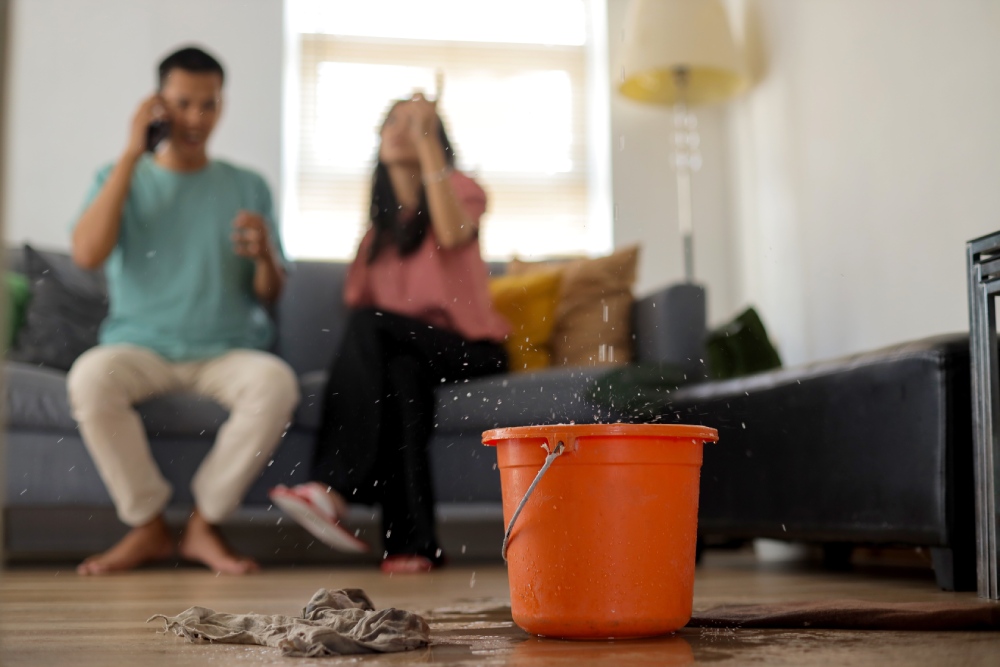
Water damage in a condominium can quickly become a dispute between a homeowner, the homeowners association (HOA), a neighboring owner, and their insurance companies. A leaking pipe can damage ceilings, flooring, cabinets, and personal belongings, leaving everyone uncertain about who must pay. The answer depends on where the water originated, who was responsible for maintaining the failed component, and what the applicable insurance policies cover.
Understanding HOA water damage responsibility is particularly important for condominium owners in California and Nevada, where state laws and governing documents determine maintenance and repair obligations. Reviewing your community’s HOA rules and regulations can help clarify these responsibilities. However, the location of the damage alone does not establish who must pay.
What Determines HOA Water Damage Responsibility?
In short: Responsibility depends on the source of the leak, the failed component, the HOA’s maintenance duties, the governing documents, and the applicable insurance policies.
The first step is identifying where the water originated and what caused the failure. A leaking roof, broken shared plumbing line, defective washing machine, and overflowing bathtub may cause similar damage but involve different maintenance obligations and liability questions.
The condominium declaration, commonly called the CC&Rs, is essential to this analysis. It may define unit boundaries, identify common elements, assign maintenance responsibilities, and establish insurance requirements. The association’s maintenance policies and insurance provisions may provide additional guidance.
It is also important to distinguish between responsibility for repairing a failed component and liability for damage caused by that failure. An HOA may have to repair a common-area pipe without automatically being liable for every damaged personal belonging. Similarly, an owner whose appliance caused a leak is not automatically responsible for every resulting loss.
California HOA Water Damage Laws
In short: California generally assigns common-area maintenance to the association and separate-interest maintenance to owners, subject to governing documents and statutory exceptions.
California Civil Code Section 4775 generally assigns responsibility for maintaining, repairing, and replacing common areas to the association, unless the declaration provides otherwise. Owners generally have corresponding responsibilities for their separate interests. The statute also addresses exclusive-use common areas, where responsibility may be allocated differently.
If a common-area roof leaks and damages a condominium ceiling, the association may be responsible for repairing the roof and addressing repairs within its obligations. However, responsibility for interior finishes, personal belongings, temporary accommodation, and additional losses requires a separate review of the governing documents, applicable law, and insurance coverage.
California Civil Code Section 5551 also establishes inspection requirements for certain exterior elevated elements, including qualifying balconies and decks. These provisions may be relevant when water intrusion involves an affected structure, but they do not automatically make the HOA responsible for every resulting loss.
When Is a California HOA Responsible for Water Damage?
In short: An HOA may be responsible when the damage involves a common element it must maintain or when its failure to meet a legal duty contributes to the loss.
A deteriorating common-area roof, failed shared plumbing system, or improperly maintained building component may trigger the association’s repair obligations. A history of ignored complaints can also matter if the association knew about a recurring leak and failed to take reasonable action within its duties.
Maintenance records, inspection reports, written complaints, and repair histories can help establish what the association knew and whether it responded appropriately. Nevertheless, responsibility for a building component does not automatically establish liability for every consequence of the leak.
Nevada HOA Water Damage Laws
In short: Nevada law addresses common-element maintenance, association insurance, and restoration, but the HOA’s precise obligations depend on the circumstances and governing documents.
Nevada regulates condominium associations primarily under Chapter 116 of the Nevada Revised Statutes (NRS). Under NRS 116.3107, the association generally has duties concerning common-element maintenance, repair, and replacement, while owners generally have corresponding responsibilities for their units, subject to statutory exceptions and the declaration.
NRS 116.3113 establishes association insurance requirements, while NRS 116.31135 addresses repair or replacement of certain insured portions of a community that are damaged or destroyed. These provisions help determine how restoration obligations and insurance proceeds are handled.
Suppose a shared pipe fails and damages two condominiums. If the pipe is a common element, the HOA may need to arrange repairs under its applicable obligations. The association’s insurance may cover eligible building damage, while individual owners may need their own policies for other losses.
Protect Your Property
If your HOA refuses to address water damage or demands payment for disputed repairs, consult an experienced HOA attorney to review your governing documents, insurance coverage, and potential legal remedies.
When Is a Nevada HOA Responsible for Water Damage?
In short: The HOA may be responsible for repairing damaged common elements and handling restoration within its legal and insurance obligations.
The association’s responsibilities depend on the declaration, the component involved, and the circumstances of the loss. Owners should request a written repair plan, relevant insurance information, and an explanation of any proposed cost allocation.
If the HOA refuses to address a common-element problem or demands payment without identifying the legal basis, reviewing the governing documents and applicable statutes can help determine the appropriate next step.
Who Pays When a Neighbor’s Condo Causes the Leak?
In short: An upstairs owner may be liable when their negligence or other legally actionable conduct causes the damage, but the location of the leak alone does not establish liability.
If an owner leaves a bathtub running and water overflows into the unit below, the circumstances may support a claim against that owner. An owner who ignores a known plumbing problem within their maintenance responsibilities may also face liability if the failure causes damage to another condominium.
However, a sudden pipe failure does not automatically establish negligence. The pipe may be a common element, or the failure may have occurred without unreasonable conduct by the neighboring owner. The governing documents, maintenance history, and evidence about the failed component should be reviewed before deciding who must pay.
Does HOA Insurance Cover Water Damage Inside a Condo?
In short: The HOA’s master policy may cover certain building components, while an individual HO-6 policy may cover interior improvements, belongings, and additional living expenses.
An HOA’s master insurance policy generally covers certain building structures and common areas, subject to its terms. Depending on the policy and governing documents, it may also cover specified portions of individual units. Owners should not assume that every interior finish or personal belonging is insured under the association’s policy.
An individual condominium insurance policy, commonly called an HO-6 policy, may cover personal belongings, interior improvements, personal liability, and additional living expenses following a covered loss. Coverage depends on the policy’s limits, exclusions, deductibles, and definitions.
Insurers may treat sudden plumbing leaks differently from gradual seepage, long-term deterioration, or external flooding. Mold remediation and temporary accommodation may also be subject to specific coverage conditions.
Owners should notify their insurers promptly, document the damage, and request the HOA’s relevant insurance information. Even when the association appears responsible, the owner’s insurer may need to inspect the property or open a claim. Questions about deductibles and reimbursement can be addressed after the applicable coverage and responsibilities are established.
What Should You Do After Water Damage in an HOA Condo?
In short: Report the leak, limit further damage, document everything, notify insurers, and obtain the HOA’s written position on repairs and costs.
Start by protecting people and limiting additional damage. Report an active leak to the HOA or property manager, contact an appropriate emergency professional, and avoid electrical hazards or unsafe areas. Take reasonable steps to prevent further damage without interfering with necessary inspections.
Photograph and record affected ceilings, walls, flooring, furniture, and belongings when it is safe to do so. Keep receipts for emergency repairs, drying services, damaged property, and temporary accommodation. Record when the leak began, when it was reported, and how the HOA or other owner responded.
Notify the relevant insurance companies and follow their inspection and mitigation instructions. Ask the HOA to identify the failed component, explain its maintenance classification, and provide a written repair plan. Review the CC&Rs, maintenance provisions, insurance requirements, and any written demands for payment.
If the association refuses to act or disputes responsibility, request its position in writing. A lawyer familiar with HOA and condominium law in the relevant state can assess whether a demand for repairs, an insurance dispute, or further legal action is appropriate.
Can an HOA Charge an Owner for Water Damage?
In short: An HOA may allocate repair costs or deductibles to an owner when applicable law and the governing documents authorize the charge.
An association may be permitted to allocate certain expenses when damage results from an owner’s conduct or a failure to meet an applicable maintenance obligation. However, an HOA should not assume it can charge an owner simply because the damage occurred inside that person’s unit.
The legal basis for the charge, insurance provisions, statutory requirements, and any applicable notice or hearing procedures must be considered. Owners who receive a repair bill, deductible demand, or special assessment should request an itemized breakdown and the specific provision supporting the charge.
Keep the demand, relevant invoices, and any payment deadline. If the allocation appears inconsistent with the governing documents or applicable law, seek legal advice promptly rather than ignoring the demand.
How Do California and Nevada HOA Rules Differ?
In short: Both states distinguish between common-element and unit maintenance, but their statutes, insurance requirements, and restoration rules differ.
California Civil Code Section 4775 addresses maintenance, repair, and replacement responsibilities, while Nevada NRS 116.3107 addresses common-element and unit maintenance. Nevada’s NRS 116.3113 and NRS 116.31135 also provide important rules concerning association insurance and restoration of covered property.
Neither state’s framework means that an HOA automatically pays every water damage claim, nor does it mean an owner must always pay for damage inside their unit. The failed component, governing documents, insurance terms, and evidence of negligence can all affect the outcome.
Condominium owners should avoid relying on advice written for another state or assuming that a decision in a different community determines their rights. The applicable law and governing documents must be reviewed in the context of the specific property and loss.
Ready to Protect Your Rights?
Contact Milan Legal to discuss your HOA water damage dispute in California or Nevada, review your governing documents, and determine the appropriate next steps.
Frequently asked questions
Responsibility depends on the source of the water, the failed component, the governing documents, and applicable law. California Civil Code Section 4775 generally assigns common-area maintenance to the association and separate-interest maintenance to the owner, subject to exceptions.
A Nevada HOA may be responsible when the damage involves common elements or property covered by its maintenance, insurance, and restoration obligations. NRS 116.3107, NRS 116.3113, and NRS 116.31135 are important provisions to review.
An upstairs neighbor may be liable if negligence or other legally actionable conduct caused the damage. However, water coming from another unit does not automatically establish liability. The source, maintenance duties, and circumstances must be investigated.
Coverage depends on the master policy, governing documents, and type of property damaged. An individual HO-6 policy may cover interior improvements, personal belongings, and additional living expenses, subject to its terms and exclusions.
An HOA may be able to allocate a deductible or other repair costs to an owner when applicable law and governing documents authorize it. Request the written basis for the charge and an itemized explanation.
Report the damage in writing, preserve evidence, notify your insurer, and request the HOA’s explanation of its responsibilities. If the dispute remains unresolved, consult an attorney familiar with HOA law in the state where the property is located.
Conclusion
Determining who pays for water damage in an HOA condo requires more than identifying where the water came from. California and Nevada have different statutory frameworks governing maintenance, insurance, and restoration, while the community’s governing documents and the facts of the incident can significantly affect responsibility.
If your condominium suffers water damage, document the loss, notify the relevant insurers, and request the HOA’s written position before accepting disputed charges. When significant repair costs or disagreements arise, legal guidance can help clarify your rights and available remedies.

Ready to Protect Your Legacy?
Recent Articles





Ready to Protect Your Rights?
Whether you are a homeowner facing HOA disputes or a board seeking expert counsel, we are here to help. Schedule your free consultation today and speak directly with an experienced HOA attorney.
