
HOA Lawyer in Temecula, California
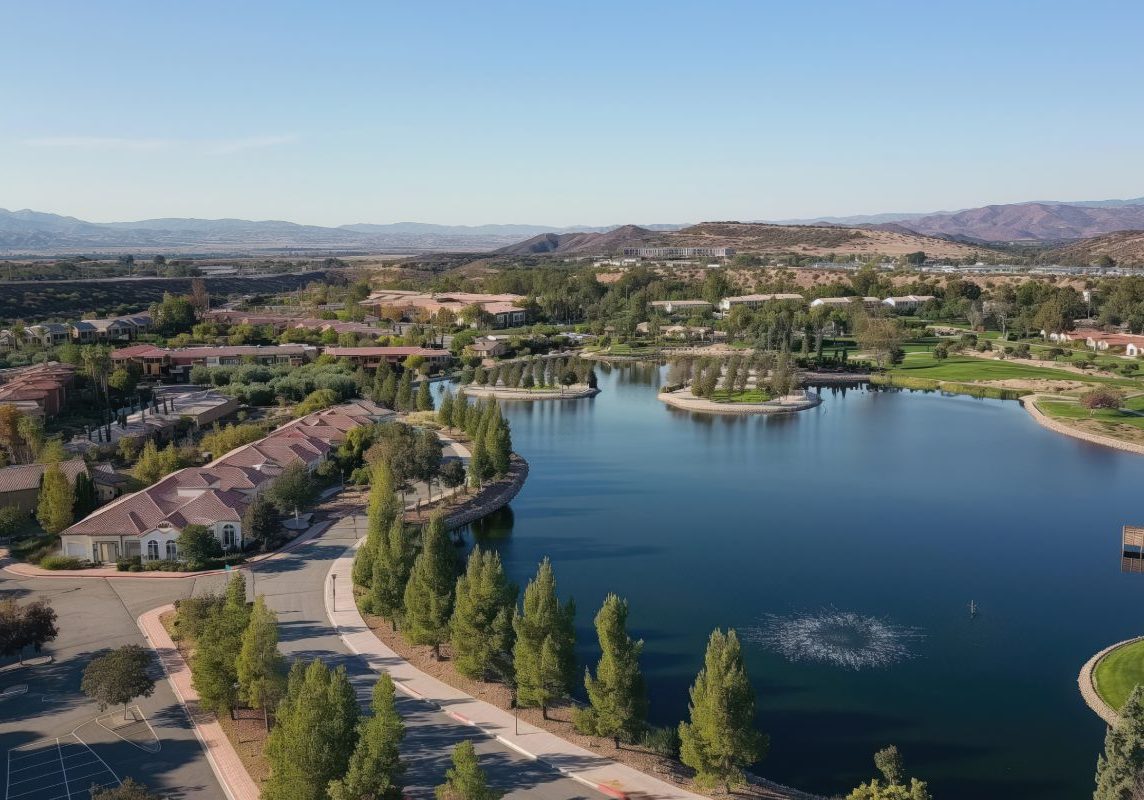
Temecula is one of Southern California's most amenity-rich master-planned cities. Communities like Harveston, Redhawk, Paloma del Sol, and Wolf Creek offer lakes, clubhouses, pools, and parks funded and governed by community associations under the Davis-Stirling Act. Those amenities are a big part of Temecula's appeal, and also a frequent source of disputes over assessments and rules. Milan Chatterjee represents Temecula homeowners when a disagreement with their association arises.
HOA disputes we handle for Temecula homeowners
Why Temecula homeowners face HOA disputes
Temecula's master-planned communities are built around shared amenities, and maintaining lakes, pools, clubhouses, and parks is expensive. That puts assessments and reserves at the center of many disputes: owners question how dues are set, whether reserves are adequate, and why a special assessment was needed. Detailed CC&Rs govern appearance and use, so landscaping standards, RV and boat storage, and parking are common enforcement flashpoints. Newer communities face their own questions as facilities age and reserve funding is tested. In each case, whether the association acted properly depends on the governing documents and whether it followed the process California law requires.
Your rights under the Davis-Stirling Act
Every Temecula HOA operates under the Davis-Stirling Common Interest Development Act (California Civil Code §4000 and following). Associations must maintain reserves and conduct reserve studies (§5550); assessments cannot be raised past set limits without a member vote (§5605); fines require written notice and a hearing (§5855); and foreclosure on an assessment lien is limited to delinquencies of at least $1,800 or more than 12 months overdue (§5720). Our California homeowner rights guide explains these protections in full.
COMMON QUESTIONS
Common Questions From Temecula Homeowners
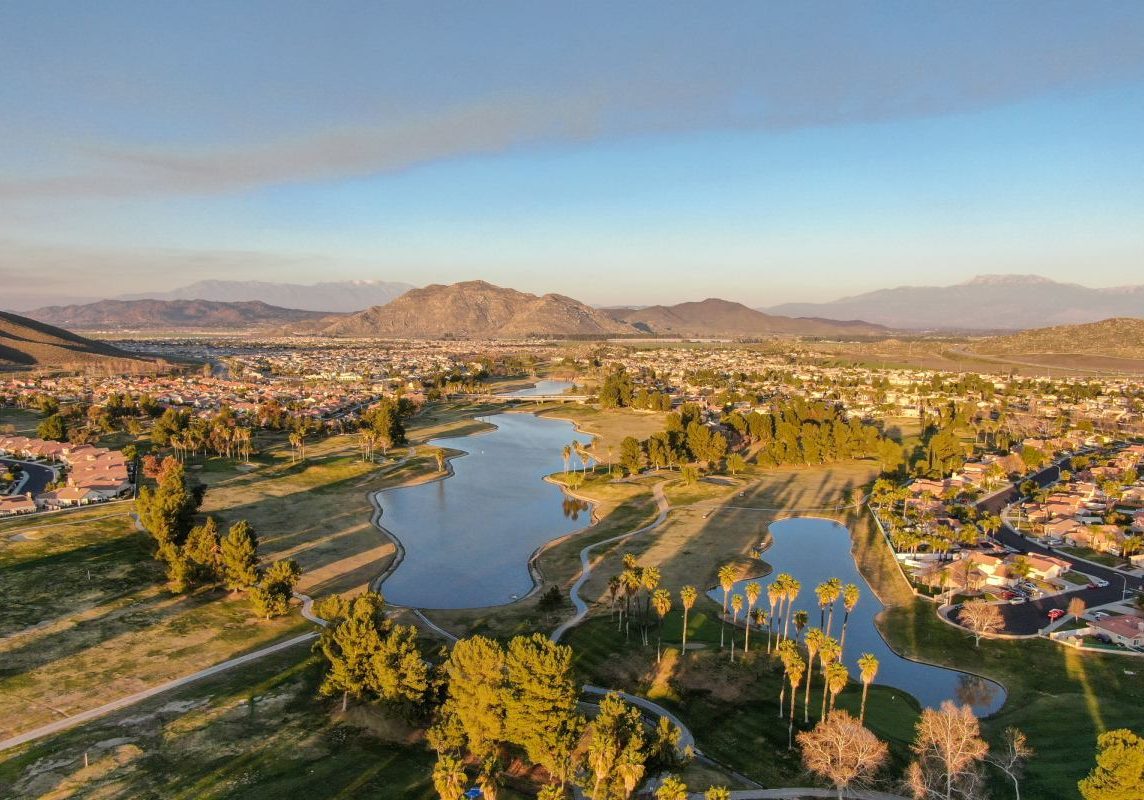
Yes. Harveston, Redhawk, Paloma del Sol, Wolf Creek, and Temecula's other master-planned communities are governed by associations subject to the Davis-Stirling Act, typically with substantial amenities and detailed rules.
Amenity costs are generally funded through assessments authorized by the governing documents and adopted through the proper process. Charges that exceed those limits, or that weren't properly approved, can be disputed.
Often yes, where the CC&Rs address it and the rule is reasonable and consistently enforced. Selective or arbitrary enforcement can be challenged.
People also ask
An association can adjust regular assessments annually, but not without limit. Under California Civil Code §5605, it generally cannot increase regular assessments by more than 20% in a year, or levy a special assessment above 5% of budgeted gross expenses, without a vote of the members.
A reserve fund is money an association sets aside for the future repair and replacement of major common-area components roofs, roads, pools, and the like. California requires associations to conduct reserve studies and disclose reserve information (Civil Code §5550 and following), and underfunded reserves are a common reason special assessments become necessary.
It can enforce reasonable landscaping standards, but California law protects certain choices: an association generally cannot prohibit low-water or drought-tolerant landscaping, or artificial turf, under Civil Code §4735. A fine for compliant water-wise landscaping may be improper.
Commonly yes. Many CC&Rs limit or prohibit RV, boat, and commercial-vehicle parking within the community, and those restrictions are enforceable if reasonable and applied consistently. The specifics depend on your governing documents.
If you're dealing with an HOA issue in Temecula, Milan Chatterjee can help you understand your options under the Davis-Stirling Act. Request a free consultation to talk through your situation.

About the HOA Attorneys
Milan Chatterjee is an attorney licensed in California and Nevada and a graduate of UCLA School of Law. He represents homeowners in HOA and community-association disputes across the Inland Empire and both states, including assessment, reserve, CC&R, and architectural matters.

Address:
2620 Regatta Drive, Suite 102 Las Vegas, NV 89128

Office Hours:
Monday - Friday: 9:00 AM - 5:00 PM
Saturday: By appointment
Sunday: Closed
