
California HOA Pet Rules: What Your HOA Can and Cannot Ban

We Represent Clients In:
Las Vegas
Reno & Lake Tahoe
Orange County
San Diego
Los Angeles
Clark County
Washoe County
Lake Tahoe
Riverside County
San Bernardino

Key takeaways
- One pet is generally protected. Most California HOAs cannot stop an owner from keeping at least one pet.
- “Pet” has a legal meaning. The protection covers dogs, cats, domesticated birds, aquatic animals kept in an aquarium and animals the association agrees to.
- Reasonable rules are allowed. Associations can generally regulate leashes, noise, waste and the number of pets.
- Existing pets are protected. A new limit generally cannot force out a pet that complied with the earlier rules.
- Fines need a process. The board generally must give notice and a hearing before fining you over a pet.
Your HOA says your new dog breaks the rules, or the board just voted to cap pets at one per home. Can it do that? California HOA pet restrictions are limited by Civil Code §4715, which protects an owner’s right to keep at least one pet. This guide, part of our series on HOA rules and regulations, explains what an HOA can and cannot do.
Do California HOA pet restrictions allow a total ban?
In short: generally not entirely, if its governing documents were adopted or changed after 2000.
Under Civil Code §4715, an HOA’s governing documents generally cannot prohibit an owner from keeping at least one pet. The association can still adopt reasonable rules about how pets are kept. The section applies to governing documents entered into, amended or changed on or after January 1, 2001.
Many associations have amended their CC&Rs or rules since then, so the protection often applies. If your documents have not changed since before 2001, the older rules may control. Ask the association for the date of the latest amendment if a total ban is at issue.
What counts as a pet under California law?
In short: dogs, cats, domesticated birds, aquatic animals kept in an aquarium and any animal the association agrees to.
Section 4715 defines a pet as a domesticated bird, cat or dog, or an aquatic animal kept in an aquarium. It also covers any other animal the association and owner agree to. So an HOA can generally still limit animals outside that list, such as rabbits, most reptiles or livestock. Ask in writing before you bring home an animal that is not on the list.
Assistance animals follow separate fair housing rules. A request for a service or support animal is generally handled as a reasonable accommodation, not under the one-pet rule. Make that request in writing and keep a copy.
What California HOA pet restrictions are allowed?
In short: reasonable rules on number, leashes, noise, waste and common area use.
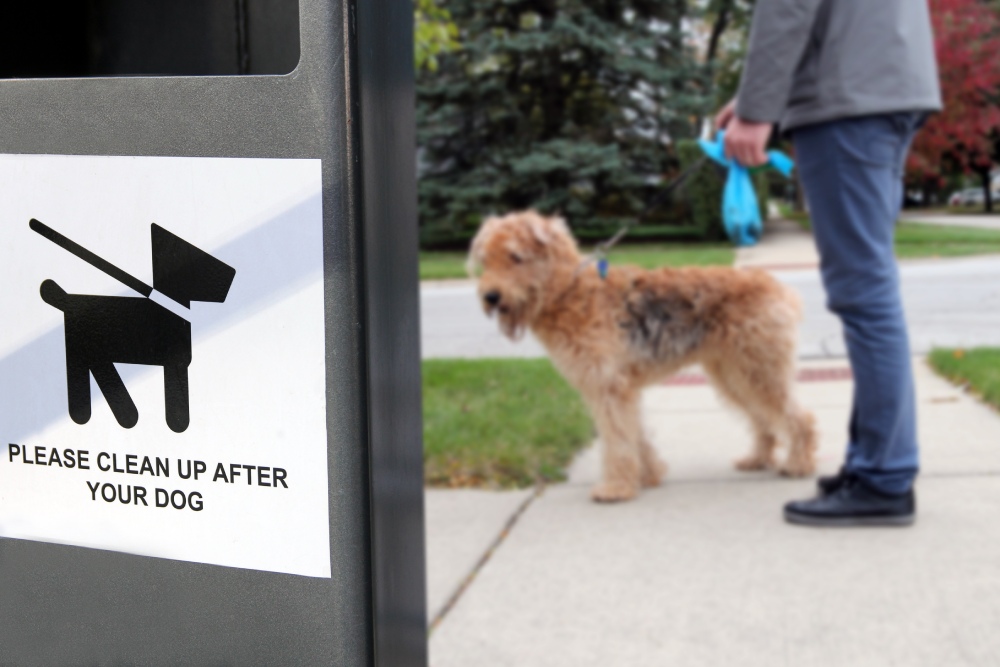
Common pet rules include leash rules in common areas, waste cleanup, noise limits and a cap on the number of pets. Many associations also limit where pets can go, such as pools and clubhouses. Some set size or breed limits, and whether those are reasonable can depend on the facts.
New operating rules must be adopted properly. The board generally must give members 28 days’ notice of a proposed rule change before adopting it (Civil Code §4360). Rules must also be reasonable and consistent with the governing documents and the law.
Can a new pet limit force out your current pet?
In short: generally no, if your pet complied with the rules in place before.
Under §4715, a new limit on the number of pets generally cannot force an owner to remove a pet kept under the earlier rules. So an owner with two dogs under the old rules can generally keep both after a new one-pet limit. The new limit generally applies when those pets are replaced.
Keep records showing when you got each pet, such as adoption papers, vet bills and any registration with the association. Those records are your best evidence if the board later questions the dates.
Is your HOA trying to remove your pet?
Send us the CC&R and rules sections on pets with their adoption dates, the association’s letter or violation notice, your pet’s adoption and vet records, and any photos or complaints. We can give you an initial read in one conversation on your options.
Can an HOA make you remove a pet that causes problems?
In short: possibly, if the CC&Rs allow it and the association follows a fair process.
The one-pet protection does not excuse a pet that bites, roams loose or barks constantly in violation of the rules. Many CC&Rs let the association require removal of an animal that is a nuisance or a danger. The board generally must still give notice and a chance to be heard first (Civil Code §5855).
Fines are limited too. Since June 30, 2025, most fines are capped at $100 per violation, with a narrow exception for health or safety impacts, as our California HOA fine limit guide explains. Local animal control laws may also apply, separate from the HOA’s rules.
Do tenants and 55+ residents follow the same pet rules?
In short: tenants generally follow the HOA’s pet rules, and 55+ communities follow the same pet law.
Section 4715 protects owners, and the CC&Rs usually decide what pets tenants may keep. Owners generally remain responsible for a tenant’s pet violations. Our guide to California HOA rental restrictions explains how leasing rules work.
Senior communities apply the same pet rules as other HOAs, alongside their age rules. Our guide to California 55+ HOA rules covers occupancy questions in those communities.
How do you respond to an HOA pet complaint?
In short: check the rule, reply in writing, attend the hearing and use internal dispute resolution.
Ask for the exact rule, the date it was adopted and any evidence behind the complaint. You can request the association’s records, as our guide to a California HOA records request explains. Reply in writing with your own records and photos.
You can also request internal dispute resolution, which an association generally cannot refuse and cannot charge for (Civil Code §5915). Owners in Rancho Bernardo can also see our Rancho Bernardo HOA lawyer page.
Ready to Protect Your Rights?
Whether your HOA is enforcing a new pet limit, demanding removal of your dog or fining you over a neighbor’s complaint, we can help. We will review the pet rules, their adoption dates and the notices, and give you our assessment of your options. Schedule your free consultation and speak directly with a Nevada and California HOA attorney.
Frequently asked questions
Generally no, if its governing documents were adopted or amended on or after January 1, 2001. Civil Code §4715 generally protects an owner’s right to keep at least one pet.
Generally yes, if the rule is reasonable and properly adopted. But it generally cannot force out pets you already kept in compliance with earlier rules.
Possibly. Breed or size limits may be allowed if they are reasonable and properly adopted, but the facts matter.
Generally not automatically. Section 4715 covers dogs, cats, domesticated birds, aquatic animals kept in an aquarium and other animals the association agrees to.
Yes, if the rules prohibit it and the board gives notice and a hearing first. Most fines are capped at $100 per violation.
Generally not. Assistance animal requests are generally handled as reasonable accommodations under fair housing law, separate from pet limits.
Conclusion
California HOA pet restrictions are limited by Civil Code §4715. Most associations cannot ban all pets, but they can adopt reasonable rules on number, leashes, noise and common areas. A new limit generally cannot force out a pet kept under earlier rules.
Check the date of your HOA’s pet rules, keep your pet records and respond to any complaint in writing. For the wider framework, see our Davis-Stirling Act guide.
Disclaimer: This article provides general information about California HOA law and is not legal advice. Reading it does not create an attorney-client relationship. Outcomes depend on the facts and the association’s governing documents.

Ready to Protect Your Legacy?
Recent Articles






Ready to Protect Your Rights?
Whether you are a homeowner facing HOA disputes or a board seeking expert counsel, we are here to help. Schedule your free consultation today and speak directly with an experienced HOA attorney.
