
California Zone 0 Rules and Your HOA’s Landscaping Rules

We Represent Clients In:
Las Vegas
Reno & Lake Tahoe
Orange County
San Diego
Los Angeles
Clark County
Washoe County
Lake Tahoe
Riverside County
San Bernardino
Key takeaways
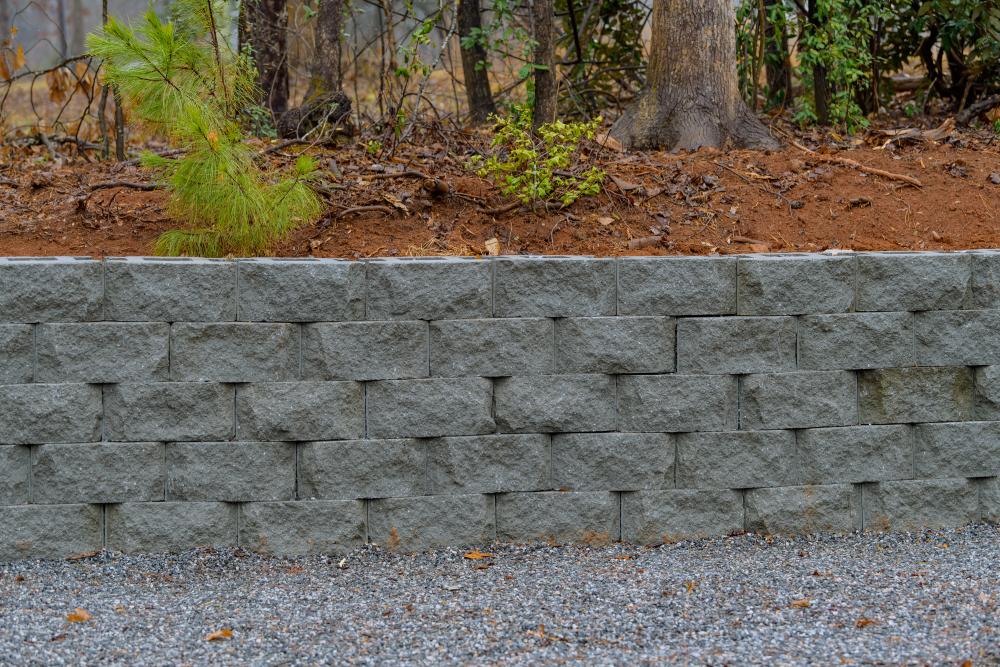
- Zone 0 is the first 5 feet. It is the ember-resistant zone right around a home, where state law limits combustible materials.
- It targets fire hazard areas. The rules are aimed at homes in state responsibility areas and very high fire hazard severity zones.
- State law beats the CC&Rs. When governing documents conflict with the law, the law generally controls.
- Approval may still be needed. The HOA can generally review how you comply, but not block compliance.
- Timing is phased. Existing homes are expected to get several years to comply after the state rules take effect.
Your fire department says the bark mulch and shrubs next to your house need to go, but your HOA requires them. Which rule wins? California Zone 0 HOA conflicts are growing as the state rolls out its ember-resistant zone rules. This guide, part of our series on HOA rules and regulations, explains what Zone 0 means for homes in California associations.
What are California Zone 0 HOA rules about?
In short: the 5-foot ember-resistant zone around a home.
California law sets defensible space zones around homes in fire-prone areas. In 2020, the Legislature added an ember-resistant zone within 5 feet of a structure (Public Resources Code §4291). It directed the Board of Forestry to write the detailed rules.
Embers cause many home losses in wildfires, and the area next to the walls is where they often land. So the rules focus on removing fuel that embers can ignite. The Board adopted revised emergency regulations in November 2026, but they are generally not yet in effect. They take effect only after state review and filing, so check the current status before you act.
Which California homes does Zone 0 cover?
In short: mainly homes in state responsibility areas and very high fire hazard severity zones.
The rules are aimed at homes in state responsibility areas and at homes in very high fire hazard severity zones in local responsibility areas. Many planned communities in inland and foothill areas fall in these zones. Cities and counties can generally adopt stricter local rules, and some have started early.
You can check your property’s zone on the state fire hazard map or with your local fire agency. If your home is outside these zones, Zone 0 generally does not apply, though your HOA may still adopt fire-safe rules. Communities such as Rancho Santa Fe already deal with wildfire risk in their design rules.
What does Zone 0 require?
In short: less fuel within 5 feet of the walls.
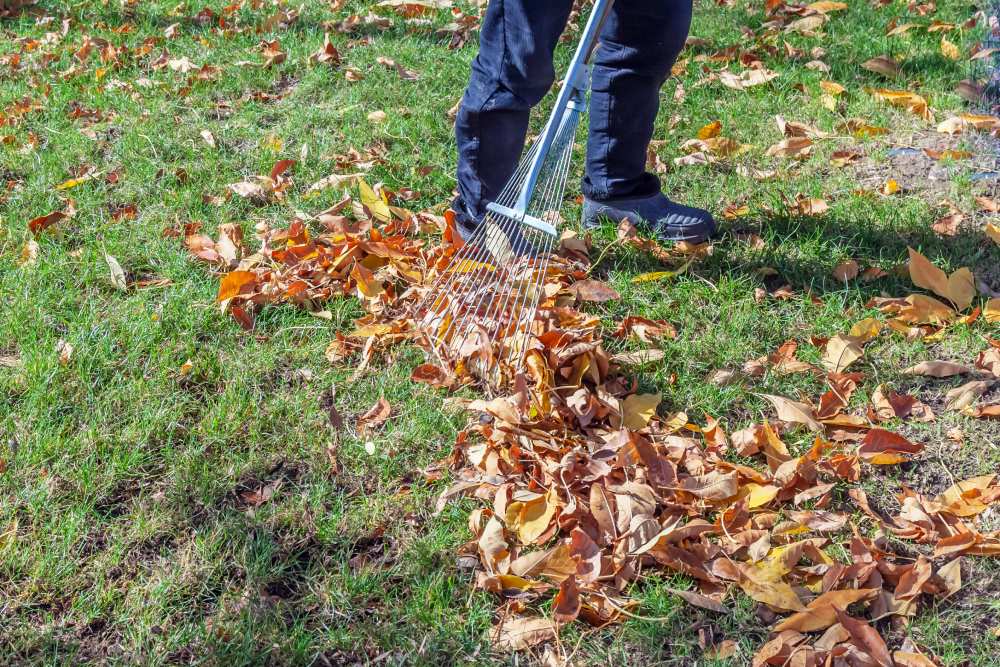
The adopted rules, which are not yet in effect, generally call for removing bark mulch, wood chips, dead leaves and firewood from the zone. New fences and gates within 5 feet are generally expected to be noncombustible. Plants near walls, windows, doors and vents face limits, and new trees in the zone are generally not allowed.
Roofs and gutters generally must be kept clear of debris, along with the space under decks and stairs. The details, including spacing for low plants, may change as the rules are finalized. Your local fire agency can tell you what applies to your home.
Can a California HOA require landscaping that breaks Zone 0 rules?
In short: generally no, because the law controls over conflicting governing documents.
California provides that when governing documents conflict with the law, the law prevails (Civil Code §4205). So a CC&R or rule requiring bark mulch or shrubs against the house is generally unenforceable where Zone 0 requires otherwise. Until the state rules take effect and any phase-in ends, the conflict may not yet exist. The same principle applies to stricter local fire ordinances.
That does not end the HOA’s role. The association can generally still review the look of your changes, such as the color of gravel or the type of noncombustible border. Our guide to HOA architectural review explains how that process works.
How do you get California Zone 0 HOA approval?
In short: submit a written plan that cites the fire rule.
Start by confirming your fire zone and reading the association’s landscaping rules. If the work is visible from outside, submit a written plan that shows the materials and cites the Zone 0 requirement. Decisions on proposed changes generally must be in writing and made in good faith (Civil Code §4765).
Take photos before and after the work, and keep any notice from the fire agency. If the change also reduces water use, our guide to California HOA drought tolerant landscaping covers added protections.
Is your HOA blocking fire-safe landscaping?
Send us the CC&Rs, the landscaping rules, your written request, the HOA’s response and any fire agency notice. We can give you an initial read in one conversation on your options.
Who handles Zone 0 in the common area?
In short: generally the association, for areas it maintains.
Many condo and townhome associations maintain the landscaping right next to the buildings. Where the association controls that area, it is generally the one that must bring it into compliance. That work can raise landscaping costs and may affect the budget or reserves.
In single-family communities, the split depends on the CC&Rs and the maintenance chart. Some associations handle front yards, while owners handle backyards. Ask the board for its plan and timeline for areas it maintains.
Can an HOA fine you for Zone 0 changes?
In short: generally not for compliance itself, but process rules still apply.
An association generally cannot enforce a rule that conflicts with state or local fire law. But it may still claim that the way you complied broke a neutral rule, such as skipping a required approval. Before any fine, the board generally must give written notice and a hearing (Civil Code §5855).
Fines are also generally capped, as our guide to the California HOA fine limit explains. If you receive a notice, respond in writing and attach the fire rule and your photos. Our Davis-Stirling homeowner rights guide covers your other protections.
If your association in Orange County is blocking fire-safe landscaping, our Orange County HOA attorney can review the architectural decision and your options under the Davis-Stirling Act.
Ready to Protect Your Rights?
Whether your HOA is demanding landscaping that conflicts with fire rules, denying a fire-safe plan or threatening a fine, we can help. We will review the CC&Rs, the rules and the fire requirements, and give you our assessment of your options. Schedule your free consultation and speak directly with a California HOA attorney.
Frequently asked questions
Existing homes generally get about 3 to 5 years for most changes after the rules take effect. Clearing roofs and gutters generally applies sooner, and local rules may set earlier dates.
Repairs to existing fences are generally expected to be allowed. New fences within 5 feet of a home are generally expected to be noncombustible, and attached fences generally need a noncombustible section of about 5 feet.
Generally yes. Gravel, stone and pavers are common noncombustible choices, though your HOA may review color and style.
Possibly, if the building is in a covered fire zone. The association usually handles areas it maintains next to the building.
Generally yes, if the governing documents allow it and the request is reasonable. Fire-safe rules usually fit within the HOA’s maintenance powers.
Not necessarily. Insurers weigh many factors, so ask your carrier which mitigation steps it credits.
Conclusion
California Zone 0 HOA questions come down to one principle: the law generally controls over conflicting governing documents. The association can still review how you comply, but it generally cannot require fuel that the fire rules prohibit.
Confirm your fire zone, submit a written plan and keep records of the work. For help with a landscaping dispute, contact our team through the consultation page.
Disclaimer: This article provides general information about California HOA law and is not legal advice. Reading it does not create an attorney-client relationship. Outcomes depend on the facts, current fire regulations and the association’s governing documents.

Have an HOA Problem? Talk to an Attorney
Recent Articles



Ready to Protect Your Rights?
Whether you are a homeowner facing HOA disputes or a board seeking expert counsel, we are here to help. Schedule your free consultation today and speak directly with an experienced HOA attorney.
