
California HOA Solar Panel Rights Under Civil Code §714

We Represent Clients In:
Las Vegas
Reno & Lake Tahoe
Orange County
San Diego
Los Angeles
Clark County
Washoe County
Lake Tahoe
Riverside County
San Bernardino
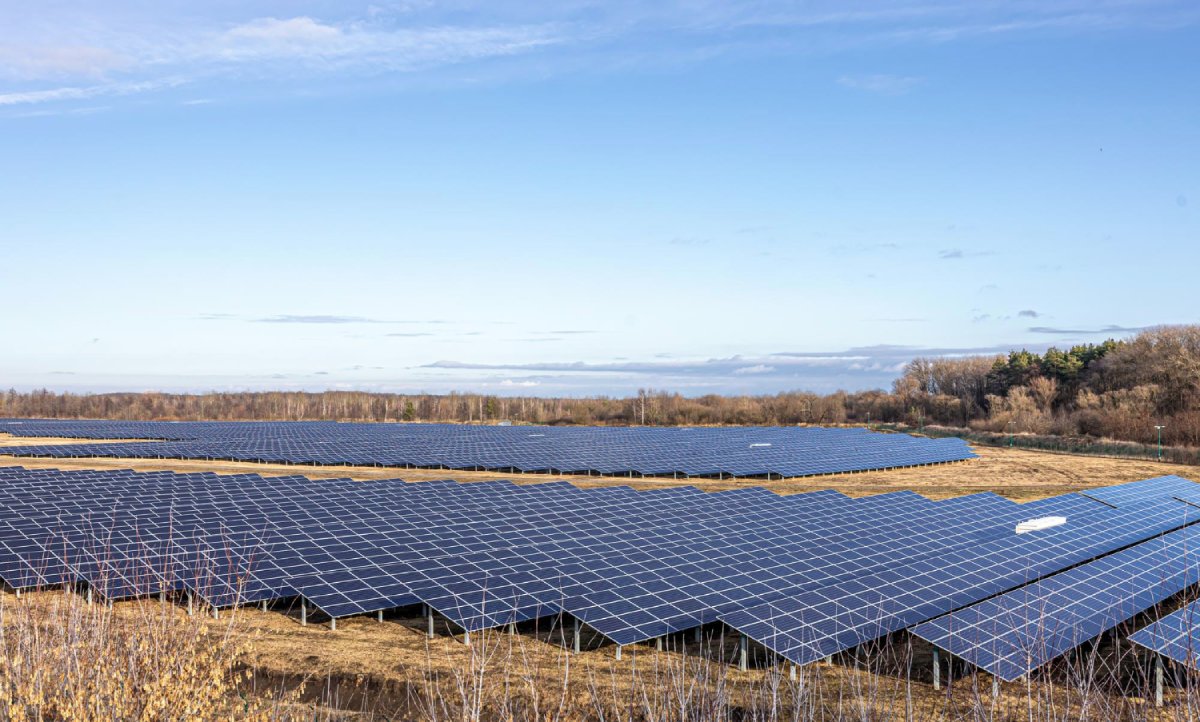
You get the quote, you sign with the installer, and then the architectural committee comes back with a no. Or worse, a yes with conditions: move the array to the shaded north slope, screen it from the street, resubmit with a different panel color. Homeowners tend to read that letter and assume the board holds the cards. In California it usually does not. The Solar Rights Act was written for exactly this situation, and once you know what it covers, the conversation with your board changes tone quickly.
Key takeaways
- Civil Code §714 makes any covenant or rule that prohibits or unreasonably restricts a solar energy system void and unenforceable.
- An HOA can still require an application and architectural review, and can impose genuinely reasonable conditions.
- Conditions that significantly increase cost or significantly reduce efficiency generally cross the line.
- Open-ended delay is its own problem. California expects associations to act on solar applications promptly.
- Your installer’s numbers on cost and output are the evidence that wins these disputes.
- A solar denial is usually a Davis-Stirling process problem at the same time, which gives you a second argument.
Can an HOA stop you from installing solar panels in California?
In short: No. Under California’s Solar Rights Act, codified largely at Civil Code §714, a covenant, restriction, or condition that effectively prohibits or unreasonably restricts a solar energy system is void and unenforceable.
That phrase “effectively prohibits” is the one to hold onto. Very few boards write “no solar” into the CC&Rs anymore. What they do instead is approve solar in principle and then attach conditions that make the project pointless: relocate the array away from the sun, cut the system size for street appearance, add screening that shades half the panels. The statute treats a rule by its effect, not its label, so a denial dressed up as routine architectural review does not escape §714 simply by being polite about it.
The result is that California HOA solar panel rights sit on stronger footing than most homeowners realize. The association is not powerless, but the field is deliberately tilted, and boards that sound confident about their authority here are often confident about something the statute already voided.

What your HOA can still require
In short: A reasonable approval process survives. Conditions that meaningfully undermine the system generally do not.
Your association can require you to submit an application, run it through architectural review, and follow a written procedure. It can ask for installer details, mounting specifications, and proof of proper permitting. It can apply aesthetic preferences that still leave the system performing, such as conduit routing or matching flashing color. Those are ordinary conditions and fighting them tends to cost you credibility for the argument that actually matters.
Where associations run into trouble is the second category. Restrictions that significantly increase the cost of the system or significantly decrease its efficiency generally are not permitted. Relocating an array off the productive roof plane, shrinking a system for appearance, requiring screening that shades panels, or demanding a premium product for aesthetic reasons all land here. So does the quiet version: a review that never quite concludes, with the file passed between meetings until the installer’s quote expires and the homeowner gives up.
§714 sits alongside Davis-Stirling
The Solar Rights Act does not operate in isolation. It works with the broader protections every California homeowner has under the Davis-Stirling Act, which governs how associations run architectural review, how they issue decisions, and what notice they owe you. Our guide to your rights under the Davis-Stirling Act covers that framework.
In practice, that means a stalled or denied solar project is often two problems at once. The condition may be unenforceable under §714, and the decision may also have been made outside the association’s own written procedure, without the required notice, or by a committee acting beyond its authority. You do not have to pick one. The same pattern shows up in drought-tolerant landscaping rights under §4735, where a protected improvement gets blocked through process rather than an outright ban.
Solar project denied or stuck in review?
A written response citing §714, quantifying the cost or efficiency impact, and pointing at the procedural defects in the decision resolves a lot of these before anyone files anything. One conversation is usually enough to tell whether yours is that kind of case.
What to do if your HOA denied or delayed your solar project
Get the denial in writing first, and make the association state its reasons and the specific rule it is relying on. Vague denials are weak denials, and a board that cannot name the provision it is enforcing has already told you something useful.
Then put numbers on the impact. This is the step homeowners skip and the one that decides the case. Ask your installer to state, in writing, what the requested condition does to system cost and to annual production. A relocation that drops output by a meaningful percentage, or a screening requirement that adds thousands to the bid, is no longer an aesthetic disagreement. It is the evidence at the center of a §714 argument.
Track the calendar while you do it. Note the date you submitted, every acknowledgment, every meeting the item was supposedly on, and every time it moved. Unexplained delay can be a violation on its own, and a clean timeline is hard for a board to argue with later.
From there, use the appeal. A denial that ignores §714, or that was issued outside the association’s own procedure, is exactly what architectural denial appeals exist for, and requesting internal dispute resolution in writing creates a record either way. Where fines have started or the denial has hardened, HOA dispute resolution is the next track. We handle these matters for homeowners in Corona, Temecula, Irvine, San Diego, and across Los Angeles County.
Last point, and it is the one worth remembering: do not concede early because the board sounds certain. Homeowners abandon strong positions all the time because a management company letter reads like settled law. On solar, the statute favors you more than most boards admit.
Frequently asked questions
Generally no. California’s Solar Rights Act, Civil Code §714, makes restrictions that prohibit or unreasonably restrict a solar energy system void and unenforceable. An HOA can require a reasonable approval process, but it cannot ban rooftop solar outright.
Only up to a point. Conditions that significantly increase the cost of the system or significantly decrease its efficiency generally are not permitted under §714. Reasonable conditions that do not meaningfully undermine the system are a different matter.
California expects prompt handling of solar applications, and an association cannot use open-ended review to delay an installation indefinitely. If your application is stalling without explanation, that delay may itself be a violation.
It can express placement preferences, but not ones that significantly cut production. Moving an array off the productive roof plane for appearance is the classic example of a condition that runs into §714.
Get the denial and its stated basis in writing, document any cost or efficiency impact from your installer, and appeal an architectural denial that ignores §714 or the association’s own procedure. Where the stakes justify it, an attorney can press the point.
Ready to Protect Your Rights?
Whether you are a homeowner whose solar project has been denied, delayed, or buried in conditions, or a board that wants its architectural rules to hold up under §714, we are here to help. Schedule your free consultation today and speak directly with an experienced California HOA attorney.
Conclusion
Solar disputes rarely turn on whether the association likes panels. They turn on whether a condition is reasonable or whether it quietly prohibits the system, and on whether the board followed its own process getting there. Get the denial in writing, get your installer’s cost and output numbers in writing, keep the dates, and read the association’s decision against §714 and its own governing documents before you agree to redesign anything. That single file of paperwork is what turns a homeowner’s frustration into a position a board has to take seriously.

Ready to Protect Your Legacy?
Recent Articles






Ready to Protect Your Rights?
Whether you are a homeowner facing HOA disputes or a board seeking expert counsel, we are here to help. Schedule your free consultation today and speak directly with an experienced HOA attorney.
