
HOA Attorney Riverside County for Homeowners and Boards
You may own a condo in downtown Riverside, a home in a Temecula master-planned community or a villa in a Palm Desert country club. Either way, your HOA is governed by California's Davis-Stirling Act. As an HOA attorney Riverside County homeowners and boards can call directly, we handle fines, CC&R violations, assessment and foreclosure disputes, records requests and board governance across the county.
Serving Riverside, Corona, Eastvale, Moreno Valley, Temecula, Murrieta, Menifee, Lake Elsinore and the Coachella Valley
We Serve
Riverside office
3610 Central Avenue, Suite 400 Riverside, CA 92506
Why Riverside County owners and boards call an HOA attorney
Riverside County has grown faster than most of California, and much of that growth was built inside homeowners associations. Master-planned communities in the Temecula Valley, Corona and Eastvale sit next to older condominium associations in Riverside and gated golf communities in the Coachella Valley. Each has its own CC&Rs, its own board and its own disputes.
The disputes we see most often are fines over landscaping and exterior changes, architectural denials, short-term rental limits, special assessments and collection letters that threaten a lien. An HOA attorney Riverside County owners consult early can often resolve these before the hearing or before a lien is recorded. Boards call us for the other side of the same issues: enforcing the CC&Rs fairly, collecting assessments lawfully and running elections that hold up.
California HOA law in Riverside County: the rules that matter
There is no county HOA agency. Every Riverside County association follows the Davis-Stirling Act (Civil Code §4000 and following), its own governing documents and California corporate law. These are the rules that decide most disputes.

Fines and violation hearings
An association may not fine you more than the lesser of its published fine schedule or $100 per violation. A higher fine requires a written health or safety finding at an open meeting (Civil Code §5850). Late fees and interest on fines are not allowed.
Before imposing discipline, the board must give at least 10 days' written notice and a chance to be heard (Civil Code §5855). If you cure the violation before the meeting, the board may not impose discipline. See our guides to the California HOA fine limit and responding to an HOA violation notice.

Assessments, liens and foreclosure
Without a member vote, a board may not raise regular assessments more than 20 percent over the prior year. It also may not levy special assessments totaling more than 5 percent of budgeted gross expenses in a year (Civil Code §5605).
Late charges are capped at 10 percent or $10, whichever is greater. Interest is capped at 12 percent a year, starting 30 days after the due date (Civil Code §5650).
An association cannot foreclose for delinquent assessments under $1,800, unless a lien secures assessments more than 12 months delinquent (Civil Code §5720). A nonjudicial sale for assessments carries a 90-day right of redemption (Civil Code §5715). Disciplinary fines cannot become a lien enforceable by sale (Civil Code §5725). Our guide to California HOA foreclosure and the $1,800 rule explains each step.

Records, meetings and fair enforcement
Members can inspect and copy association records, including financial statements, executed contracts and meeting minutes (Civil Code §5200). Current-year records are generally due within 10 business days (Civil Code §5210).
Members may attend board meetings and speak, except in executive session (Civil Code §4925). The California Supreme Court has held that associations must enforce restrictions in good faith and apply them uniformly (Nahrstedt v. Lakeside Village Condominium Assn. (1994) 8 Cal.4th 361).
See our guide to the California HOA records request.
HOA legal services in Riverside County
For homeowners and condo owners
HOA foreclosure defense: we review the ledger, the pre-lien notice and the board votes, and use the $1,800 rule, payment plans and redemption rights to protect your home. HOA foreclosure defense.
Fine and CC&R violation defense: we answer the notice, prepare you for the hearing and challenge fines that exceed the schedule or skip the required process. CC&R violation defense.
HOA disputes and litigation: we handle internal dispute resolution, mediation and, when needed, litigation in the Riverside County Superior Court. HOA dispute resolution and HOA litigation and mediation.
Other homeowner matters: assessment disputes, records disputes, architectural denial appeals, vacation rental defense, board harassment claims and fair housing.
For HOA boards and associations
We serve as general counsel to Riverside County associations. That includes CC&R enforcement policies that survive a selective enforcement challenge, assessment collection and liens that follow every Davis-Stirling step, election administration, governance support and CC&R amendments.
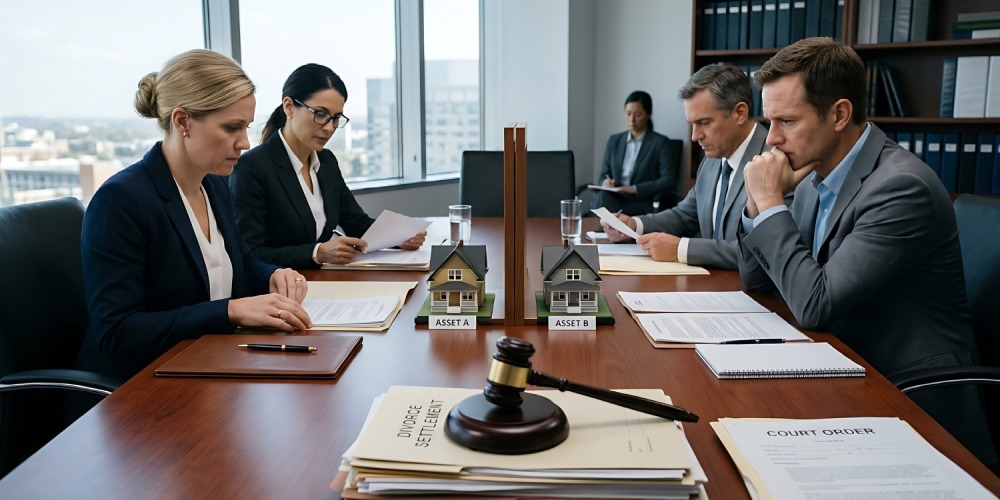
Facing an HOA problem in Riverside County?
Send us the notice or letter you received, the CC&R section or rule it cites, your account ledger if money is involved, and any photos. We can tell you in one conversation where you stand and what deadline comes first.
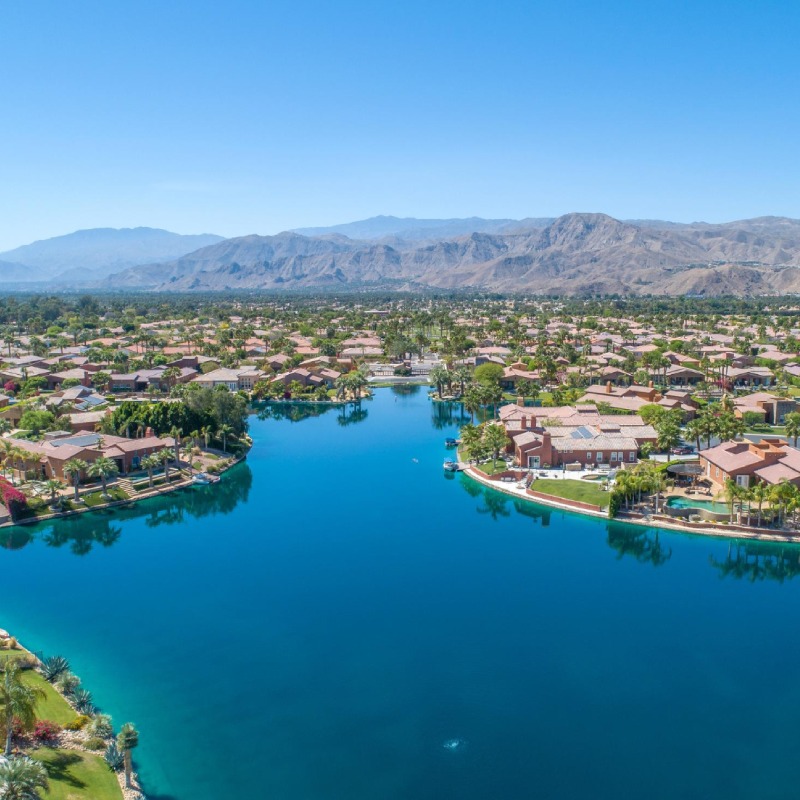
Where are Riverside County HOA disputes resolved?
Most disputes start and end with the association. After a hearing, you can request internal dispute resolution in writing, and the association must take part at no cost (Civil Code §5910). Many enforcement lawsuits also require an attempt at mediation or another form of alternative dispute resolution first (Civil Code §5930).
Claims by individuals up to $12,500 can go to small claims court, where the alternative dispute resolution requirement does not apply. Larger cases are filed in the Riverside County Superior Court, which hears civil cases at several courthouses, including the Historic Courthouse in Riverside. The court changed some civil filing locations in August 2026, so confirm where your case belongs before you file.
In an action to enforce the governing documents, the prevailing party is awarded attorney's fees (Civil Code §5975). That makes early advice from an HOA attorney Riverside County residents trust worth far more than its cost.
Communities we serve across Riverside County
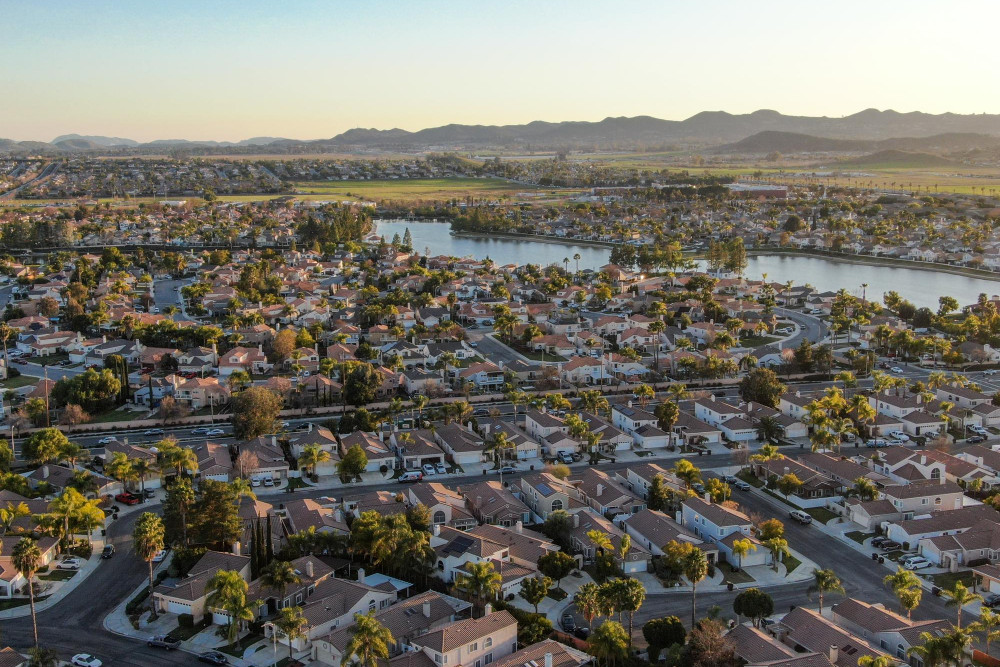
Riverside and the western county
Downtown Riverside, Arlington, La Sierra, Orangecrest, Mission Grove, Canyon Crest, Moreno Valley, Jurupa Valley and Norco. These areas mix older condominium associations with newer planned developments, and records and assessment disputes are common.

Corona, Eastvale and Temescal Valley
Large master-planned communities with active architectural review and landscaping rules keep an HOA attorney Riverside County boards use busy with approvals and appeals.

Temecula Valley and the southwest county
Temecula, Murrieta, Menifee, Wildomar, Lake Elsinore, French Valley and Winchester. Rapid growth has brought special assessments, rental disputes and CC&R enforcement in newer communities.

Coachella Valley
Palm Springs, Palm Desert, Rancho Mirage, Indian Wells, La Quinta, Cathedral City and Indio. Gated golf and country club communities here often have master and sub-associations, high assessments and seasonal rental rules.
Common HOA issues in Riverside County communities
Water-wise landscaping
hot summers and water limits push many owners toward drought tolerant yards. An association may not enforce rules that prohibit low water-using plants or realistic artificial turf (Civil Code §4735). See drought tolerant landscaping.
Solar and exterior changes
California limits how far an association can restrict solar, and architectural decisions must follow a fair, written process. See California HOA solar rights and HOA architectural review.
Short-term and seasonal rentals:
associations may ban rentals of 30 days or less, but may not prohibit or unreasonably restrict longer leases (Civil Code §4741). Unincorporated Riverside County requires a short-term rental certificate (Ordinance 927), and cities such as Palm Springs, Palm Desert and La Quinta have their own permit rules. See short-term rentals and your California HOA.
ADUs
California voids HOA rules that effectively prohibit or unreasonably restrict accessory dwelling units on single-family lots, though reasonable restrictions are allowed (Civil Code §4751). See California HOA ADU restrictions.
latest legal insights
Guides for Riverside County homeowners


COMMON QUESTIONS
Riverside County HOA law: frequently asked questions

Yes, for unpaid assessments, but not for fines. California bars foreclosure for delinquent assessments under $1,800, unless a lien secures assessments more than 12 months delinquent (Civil Code §5720). After a nonjudicial sale, you have 90 days to redeem.
No more than the lesser of the published fine schedule or $100 per violation (Civil Code §5850). A higher fine requires a written health or safety finding at an open meeting. Late fees and interest on fines are not allowed.
Yes. The board must give at least 10 days' written notice and let you attend and speak (Civil Code §5855). If you cure the violation before the meeting, the board may not impose discipline.
Only within limits. Without a member vote, regular assessments may not rise more than 20 percent over the prior year. Special assessments may not total more than 5 percent of budgeted gross expenses in a year (Civil Code §5605).
The hearing goes ahead without you, and a fine may be imposed. The fine cannot lead to foreclosure, but it stays on your account. Responding in writing before the hearing is usually the cheapest way to resolve it.
Often yes. Many enforcement lawsuits require an attempt at alternative dispute resolution first (Civil Code §5930). Small claims cases up to $12,500 are exempt.
Yes. We advise boards on CC&R enforcement, assessment collection, elections, governance and document amendments. We do not represent both sides of the same dispute.

Contact an HOA attorney Riverside County residents trust
Call or schedule a consultation to speak directly with an HOA attorney Riverside County homeowners and boards rely on. We meet clients by appointment and by video across the county.

Address:
Best HOA Lawyer, Riverside office
3610 Central Avenue, Suite 400 Riverside, CA 92506

Office Hours:
Monday to Friday, 9:00 AM to 5:00 PM.
Saturday by appointment.
Sunday closed.
