
HOA Rules for Children: Where Fair Housing Law Draws the Line

We Represent Clients In:
Las Vegas
Reno & Lake Tahoe
Orange County
San Diego
Los Angeles
Clark County
Washoe County
Lake Tahoe
Riverside County
San Bernardino

Key takeaways
- Families are protected. Federal, California and Nevada law generally bar housing discrimination based on familial status.
- Rules that single out children are risky. Adult-only pool hours and bans on children in common areas are often found discriminatory.
- Neutral safety rules are safer. Rules that apply to everyone, based on behavior rather than age, generally hold up better.
- 55+ communities differ. Qualifying senior communities can generally limit residents by age.
- Remedies exist. Families can generally file complaints with state or federal agencies, or sue.
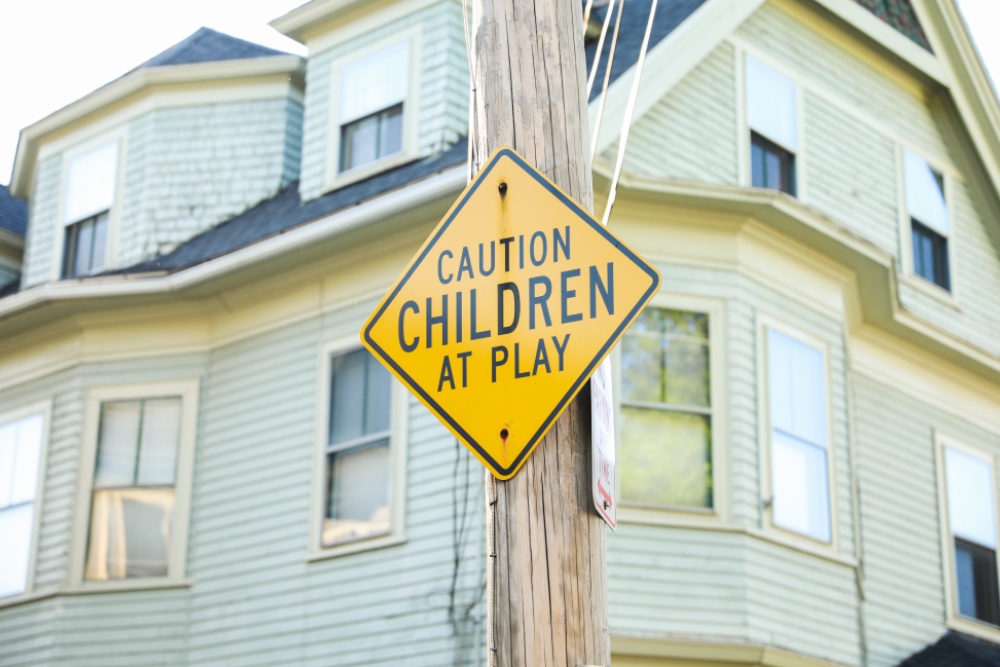
Your HOA posts a sign saying children may not use the pool without a parent, or that kids may not play in common areas. Is that legal? HOA rules for children often run into fair housing law, which protects families with children in both California and Nevada. This guide, part of our series on HOA rules and regulations, explains where associations cross the line.
What law limits HOA rules for children?
In short: fair housing laws that cover familial status.
The federal Fair Housing Act generally bars discrimination in housing terms, conditions and privileges because of familial status. Familial status generally means having a child under 18 living with you, or being pregnant. Courts have applied the Act to rules for pools, clubhouses and other common areas.
California adds protection under its fair housing law (Government Code §12955) and the Unruh Civil Rights Act. Nevada bars familial status discrimination in housing as well (NRS 118.100). So an association rule can face claims under both federal and state law.
Which HOA rules for children often cross the line?
In short: rules that limit access because someone is a child.
Courts and agencies have often found problems with adult-only pool or clubhouse hours, bans on children in common areas, and curfews for minors. Rules requiring all children under 18 to be supervised by an adult have also been struck down. In Iniestra v. Cliff Warren Investments (2012), a California federal court generally found an apartment complex’s pool and supervision rules discriminatory against families.
Associations often defend these rules with safety or quiet. Courts have generally held that a desire for peace and quiet does not justify limiting children’s access. Even safety rules generally must be the least restrictive way to meet a real safety need.
Which safety rules are generally allowed?
In short: neutral rules based on conduct or real risk.
Rules that apply to everyone are generally safer. Examples include pool hours for all residents, a ban on running or rough play for anyone, and a noise standard that applies to every household. Swim diaper rules can also be written to apply to anyone who needs them.
Age-based rules for young children are generally harder to defend, since Iniestra also struck supervision rules for children under 7 and under 10. Rules tied to a specific hazard, such as a spa, may fare better. The narrower and better supported the rule, the more likely it survives.
Is your HOA targeting families with children?
Send us the CC&Rs and rules, the posted signs, any notices or fines, and notes on how other residents are treated. We can give you an initial read in one conversation on your options.
Can a 55+ community limit children?
In short: generally yes, if it qualifies as senior housing.
Under federal law, a community can generally qualify as 55+ housing if at least 80 percent of occupied units have a resident 55 or older. It also generally must publish policies showing that intent and verify ages at least every two years. Qualifying communities can generally limit residents by age.
California has its own senior housing rules, including generally allowing guests under 55 to stay at least 60 days a year (Civil Code §51.3). Grandchildren who visit are generally guests, not residents. A community that does not qualify as senior housing generally cannot use age limits against families.
What can families do about an unfair rule?
In short: raise it with the board, then use the complaint process.
Ask the board for the rule in writing and the reason behind it. Suggest a neutral alternative, such as a conduct rule that applies to everyone. Many boards change course once they understand the risk.
If the board refuses, families can generally file a complaint with HUD, California’s Civil Rights Department or the Nevada Equal Rights Commission. Deadlines apply, so act promptly. Keep records of how the rule is applied to others, as our guide on how to prove selective enforcement explains.
What if you are fined over your children?
In short: ask for a hearing and raise fair housing.
In both states, the board generally must give notice and a hearing before a fine. At the hearing, ask whether the rule targets children and raise fair housing concerns. Our guide to contesting an HOA fine covers the process.
If the complaint is really about noise, ask whether the same standard applies to adults. Our guide to HOA noise complaints explains how boards should handle neighbor noise. Respond to any HOA violation notice in writing.
Ready to Protect Your Rights?
Whether your HOA restricts children’s pool access, bans kids from common areas or is fining your family, we can help. We will review the rules, the notices and how they are enforced, and give you our assessment of your options. Schedule your free consultation and speak directly with a Nevada and California HOA attorney.
Frequently asked questions
A rule covering all minors often raises fair housing concerns. Narrower rules tied to a specific hazard may be easier to defend, but age-based supervision rules still carry risk.
A ban aimed only at children is generally risky. Rules on conduct, such as no ball games near windows, should apply to everyone.
Outside qualifying senior communities, adult-only hours have often been found discriminatory. Lap swim hours open to anyone are generally safer.
Possibly, if the rule applies to everyone and has a real safety basis. A rule aimed at families may raise concerns.
Generally no. HUD and state agencies generally accept complaints at no charge.
Occupancy limits generally must be reasonable and apply to all residents, not just children. Limits aimed at families may be discriminatory.
Conclusion
HOA rules for children often conflict with fair housing law when they limit access because someone is a child. Neutral rules based on conduct or real safety risks generally hold up better, and qualifying 55+ communities follow different rules.
Get the rule in writing, ask for its basis and propose a neutral alternative. If the board refuses, a fair housing complaint may be an option.
Disclaimer: This article provides general information about Nevada and California HOA law and is not legal advice. Reading it does not create an attorney-client relationship. Outcomes depend on the facts and the association’s governing documents.

Have an HOA Problem? Talk to an Attorney
Recent Articles






Ready to Protect Your Rights?
Whether you are a homeowner facing HOA disputes or a board seeking expert counsel, we are here to help. Schedule your free consultation today and speak directly with an experienced HOA attorney.
