
Growing Food at Home: California HOA Personal Agriculture Rules

We Represent Clients In:
Las Vegas
Reno & Lake Tahoe
Orange County
San Diego
Los Angeles
Clark County
Washoe County
Lake Tahoe
Riverside County
San Bernardino
Key takeaways
- Backyard gardens are protected. California generally voids HOA rules that ban or unreasonably restrict growing food in your backyard.
- It covers edible plants. Personal agriculture generally means growing fruits, vegetables and herbs for your own use or to give away.
- Reasonable rules still apply. The HOA can generally set rules that do not significantly raise costs or reduce efficiency.
- Tidiness can be required. The HOA can generally require removal of dead plants and weeds.
- Front yards are different. The protection is written for backyards, not front yards or general common areas.
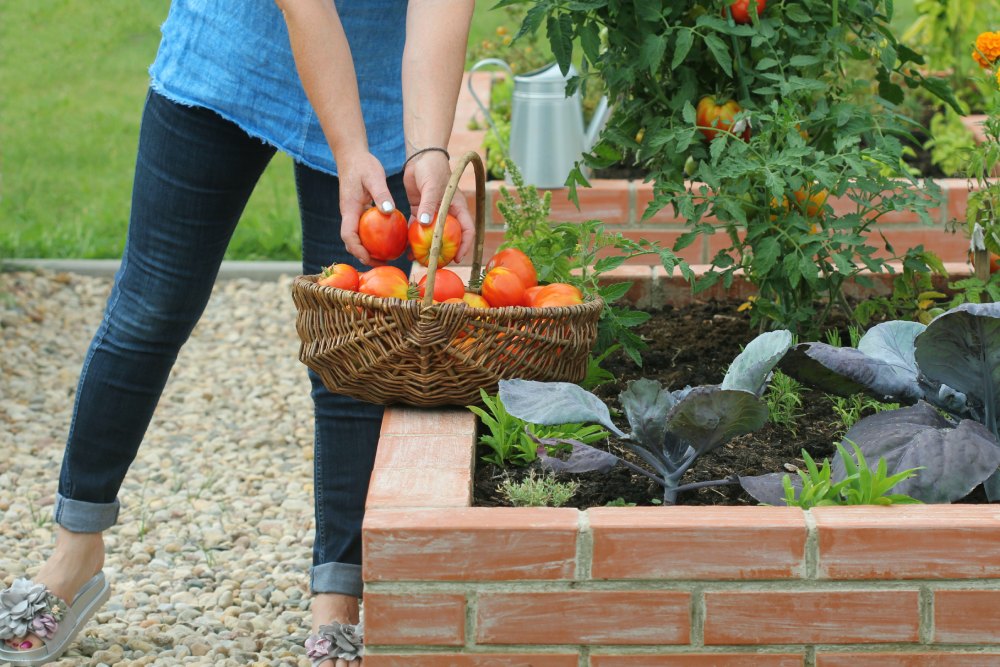
You want tomatoes, herbs and a lemon tree out back, but your HOA’s landscaping rules seem to forbid vegetable gardens. California HOA personal agriculture rules generally protect your right to grow food in your own backyard. This guide, part of our series on HOA rules and regulations, explains what the law covers and where the HOA can still set limits.
What do California HOA personal agriculture rules protect?
In short: growing edible plants in your backyard.
Since January 1, 2015, California has generally voided governing document provisions that prohibit or unreasonably restrict personal agriculture in an owner’s backyard (Civil Code §4750). That generally means growing fruits, vegetables and herbs for personal use or donation. Commercial sale is generally not covered.
The protection generally applies only to yards designated for the owner’s exclusive use. Some fenced patio yards in townhomes may qualify, depending on the governing documents. It does not give owners a right to plant in general common areas.
What limits do California HOA personal agriculture rules allow?
In short: reasonable rules that do not make gardening much harder or costlier.
An association can generally adopt reasonable restrictions on backyard gardens. A restriction is generally reasonable if it does not significantly increase the cost of the garden or significantly decrease its efficiency. A rule requiring expensive materials or banning all raised beds may cross that line.
The association can also generally require owners to remove dead plants and weeds regularly. Straw, mulch, compost and similar organic materials are generally excepted from that cleanup duty. Keep the garden tidy to avoid neighbor complaints.

Do raised beds or greenhouses need approval?
In short: often yes, if the CC&Rs require approval for structures.
The garden law protects the growing, not every structure that supports it. Associations often still review greenhouses, tall trellises, sheds and fencing through their design process. Our guide to HOA architectural review explains how that works.
Review generally must not become a way to block gardening altogether. Decisions generally must not be arbitrary or capricious, and a denial generally must be in writing with reasons (Civil Code §4765). Submit simple plans for any structure before you build.
Is your HOA blocking your backyard garden?
Send us the CC&Rs, the landscaping rules, photos of the garden, the HOA’s notices and your replies. We can give you an initial read in one conversation on your options.
Can you grow food in your front yard?
In short: not under the backyard garden law, but other rules may help.
The personal agriculture law is written for backyards. Front yard vegetable gardens are generally left to the association’s landscaping rules. Many associations still allow edible plants in front if they fit the look of the community.
If your front yard plants are also low water-using, the drought landscaping law may help. Associations generally cannot ban low water-using plants as a group, as our guide to California HOA drought tolerant landscaping explains. Ask the board which plants are approved.
What about chickens, bees and compost?
In short: the garden law covers plants, not animals.
The personal agriculture law generally covers edible plants only. Backyard chickens and bees fall under the CC&Rs, pet rules and local ordinances instead. Our guide to California HOA pet restrictions covers how associations regulate animals.
Compost and mulch are generally excepted from the cleanup duty, which suggests composting fits within a backyard garden. The association may still set reasonable rules on bins, odor and pests. Owners in larger lot communities, such as those in Escondido, often ask about fruit trees and composting.
What if the HOA fines you over your garden?
In short: ask for a hearing and cite the statute.
Before a fine, the board generally must give written notice and a hearing (Civil Code §5855). At the hearing, explain that the plants are edible and in your backyard, and bring photos. Fines are also generally capped, as our guide to the California HOA fine limit explains.
If the issue is tidiness, clean up promptly and document it. If the issue is the garden itself, ask the board to identify the rule and explain why it is reasonable. Our Davis-Stirling homeowner rights guide covers your other protections.
Ready to Protect Your Rights?
Whether your HOA wants your backyard garden removed, denied a raised bed or is fining you over plants, we can help. We will review the CC&Rs, the rules and the notices, and give you our assessment of your options. Schedule your free consultation and speak directly with a California HOA attorney.
Frequently asked questions
Generally not outright, since fruit is a plant crop. The HOA may still set reasonable rules, such as limits near walls or shared fences.
The protection generally covers personal use and donation, not commercial sale. Selling may fall under the CC&Rs and local business rules.
Possibly, if the patio is a backyard area designated for your exclusive use. Check the CC&Rs and the plan map.
Possibly, if the rule is reasonable and does not significantly increase cost or reduce efficiency. A blanket container rule may be challenged.
Some tenants may grow edible plants in approved containers in a ground-level backyard, but Civil Code §1940.10 generally covers only buildings with two units or fewer.
Generally not without permission. Some associations create community garden plots, but owners have no general right to plant in common areas.
Conclusion
California HOA personal agriculture rules generally protect your right to grow food in your backyard. The association can still set reasonable rules, require tidiness and review structures.
Confirm the area is your backyard, read the rules and get approval for any structures. For help with a garden dispute, contact our team through the consultation page.
Disclaimer: This article provides general information about California HOA law and is not legal advice. Reading it does not create an attorney-client relationship. Outcomes depend on the facts and the association’s governing documents.

Have an HOA Problem? Talk to an Attorney
Recent Articles





Ready to Protect Your Rights?
Whether you are a homeowner facing HOA disputes or a board seeking expert counsel, we are here to help. Schedule your free consultation today and speak directly with an experienced HOA attorney.
