
Nevada HOA Reserve Study Rules Under NRS 116.31152

We Represent Clients In:
Las Vegas
Reno & Lake Tahoe
Orange County
San Diego
Los Angeles
Clark County
Washoe County
Lake Tahoe
Riverside County
San Bernardino

Key takeaways
- A study every 5 years. Nevada boards generally must have a reserve study done at least once every 5 years.
- A registered specialist prepares it. The study generally must come from a reserve study specialist registered with the state.
- The board reviews it yearly. Each year, the board generally must check whether reserves are adequate and adjust the funding plan.
- Owners see the numbers. The yearly budget generally must compare the reserves needed with the reserves on hand.
- Reserves have limits. Reserve funds are generally for repairing and replacing major components, not daily expenses.
Your association’s pool needs resurfacing, the roofs are aging and the board just mentioned a special assessment. Was the money supposed to be saved already? A Nevada HOA reserve study is the tool that answers that question, and state law sets when and how it must be done. This guide, part of our series on HOA board fiduciary duties, explains the rules and how owners can check them.
What is a Nevada HOA reserve study?
In short: a plan for repairing and replacing major common elements.
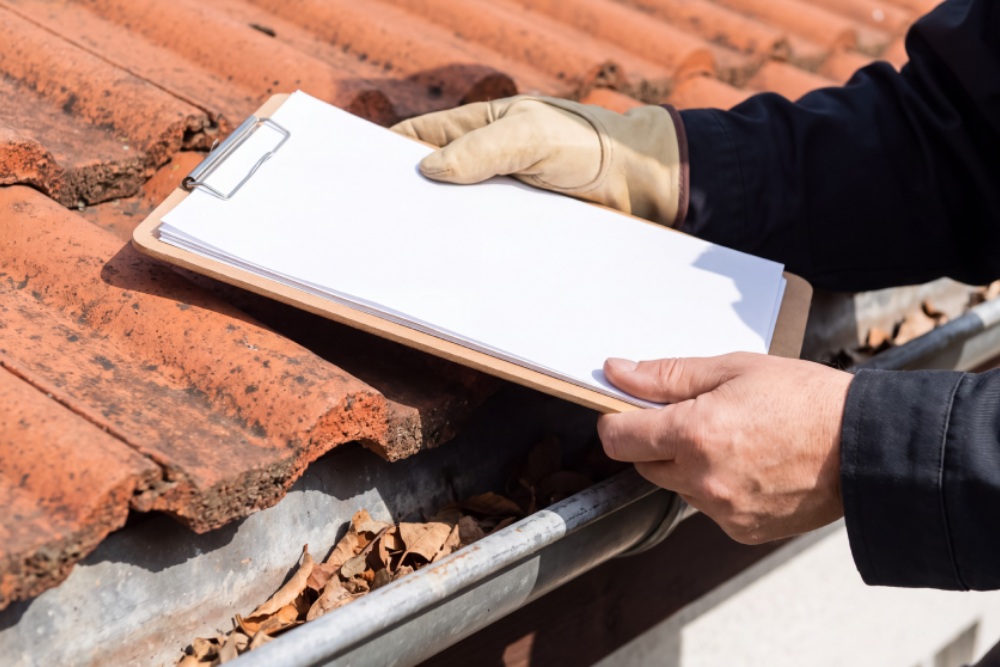
A reserve study lists the association’s major components, such as roofs, pools, paving and walls, and estimates when each will need work. It then estimates the cost and sets a funding plan so the money is saved in advance. Nevada generally requires associations to keep adequate reserves, funded on a reasonable basis (NRS 116.3115).
Reserves are generally meant for repair, replacement and restoration of major components. They are not meant for daily maintenance. When reserves fall short, owners often face special assessments later.
How often must the study be done?
In short: at least every 5 years, with a yearly review.
The board generally must have a reserve study conducted at least once every 5 years (NRS 116.31152). Each year, the board generally must review the study’s results to decide whether reserves are sufficient. It then generally must adjust the funding plan as needed.
The board generally must send a summary to the Nevada Real Estate Division within 45 days after it adopts the study. Associations with 20 or fewer units in counties under 55,000 people may generally use any qualified preparer. They generally still need the study.
Who can prepare a Nevada HOA reserve study?
In short: generally a reserve study specialist registered with the state.
Nevada generally requires the study to be prepared by a reserve study specialist registered with the Real Estate Division (NRS 116A.420). Specialists generally must disclose in writing whether they are bonded or insured, along with any conflicts of interest. Associations with 20 or fewer units in counties under 55,000 people may generally use any qualified person instead.
Ask the board who prepared the most recent study and whether the specialist inspected the property in person. Studies done without a site visit may miss problems. The study itself generally states the preparer’s credentials.
What must a Nevada HOA reserve study include?
In short: components, remaining life, costs and a 30-year funding plan.
The study generally must include a summary of the inspection and the major components with a remaining useful life of less than 30 years. For each, it estimates the remaining life and replacement cost. It also generally sets the annual contribution needed to fund the plan.
Nevada regulations generally add a 30-year cash flow schedule and a comparison with fully funded balances. Those numbers show whether the association is ahead or behind. Look for the percent funded figure, which many studies include.
Are your association’s reserves running short?
Send us the latest reserve study, the budget, recent board minutes and any special assessment notice. We can give you an initial read in one conversation on your options.
What does the budget have to tell owners about reserves?
In short: what is needed, what is saved and whether assessments are expected.
The board generally must send owners the budget 30 to 60 days before the fiscal year (NRS 116.31151). The reserve budget generally must list each major component’s replacement cost and remaining life. It also generally must compare the reserves needed with the reserves set aside.
The budget generally must also say whether special assessments are expected. Owners can generally reject the budget only by a majority of all units, as our guide to Nevada HOA budget ratification explains. Read the reserve section before the ratification meeting.
How is the reserve account protected?
In short: two signatures and limits on use.
Withdrawals from the reserve account generally need the signatures of two board members, or one board member and an officer who is not on the board (NRS 116.31153). That rule helps prevent one person from moving reserve funds alone. The board also generally must review reserve revenues and expenses against the budget at a meeting at least quarterly (NRS 116.31083).
At turnover, the developer generally must deliver a reserve study and a funded reserve account. Our guide to Nevada HOA developer turnover covers that hand-off. New boards should check both closely.
How can owners check the reserve study?
In short: request it in writing.
Owners can generally get a copy of the reserve study within 21 days of a written request. Our guide to Nevada HOA records requests explains the process. Compare the study’s funding plan with what the budget actually collects.
If the board skips required studies or ignores the funding plan, owners can raise it at an open meeting. Complaints can generally also go to the Real Estate Division. Owners in Northern Nevada communities, such as Carson City, often find older studies that need updating.
Ready to Protect Your Rights?
Whether your board skipped a reserve study, reserves are badly underfunded or a large special assessment is coming, we can help. We will review the study, the budget and the governing documents, and give you our assessment of your options. Schedule your free consultation and speak directly with a Nevada HOA attorney.
Frequently asked questions
Generally yes. The board can generally impose reasonable assessments to fund reserves, based on the study, without an owner vote.
Generally no. Reserves are generally for repairing and replacing major components, not daily upkeep.
It compares the reserves on hand with the fully funded balance. A low figure often signals future special assessments.
Generally yes. Associations with 20 or fewer units in counties under 55,000 people may use any qualified preparer, but they generally still need the study.
The association, as a common expense. The cost is usually included in the yearly budget.
Owners can generally hire their own specialist at their own cost. The board generally decides which study to adopt.
Conclusion
A Nevada HOA reserve study generally must be done at least every 5 years by a registered specialist, with a yearly board review. The budget generally must show owners how reserves compare with what is needed.
Request the study, compare it with the budget and raise concerns early. Our Nevada NRS 116 homeowner rights guide covers your other protections.
Disclaimer: This article provides general information about Nevada HOA law and is not legal advice. Reading it does not create an attorney-client relationship. Outcomes depend on the facts and the association’s governing documents.

Have an HOA Problem? Talk to an Attorney
Recent Articles




Ready to Protect Your Rights?
Whether you are a homeowner facing HOA disputes or a board seeking expert counsel, we are here to help. Schedule your free consultation today and speak directly with an experienced HOA attorney.
